Local News
A seaport without a sea: how Kunming’s Tengjun land port carried Yunnan to the coast
In the hometown of Zheng He, the Ming admiral whose fleet called at Mogadishu six centuries ago, China has built a port on a plateau nearly 1,900 metres above sea level. The Tengjun International Land Port shows how rail, customs and cold storage can give a landlocked province the reach of a coastal one.
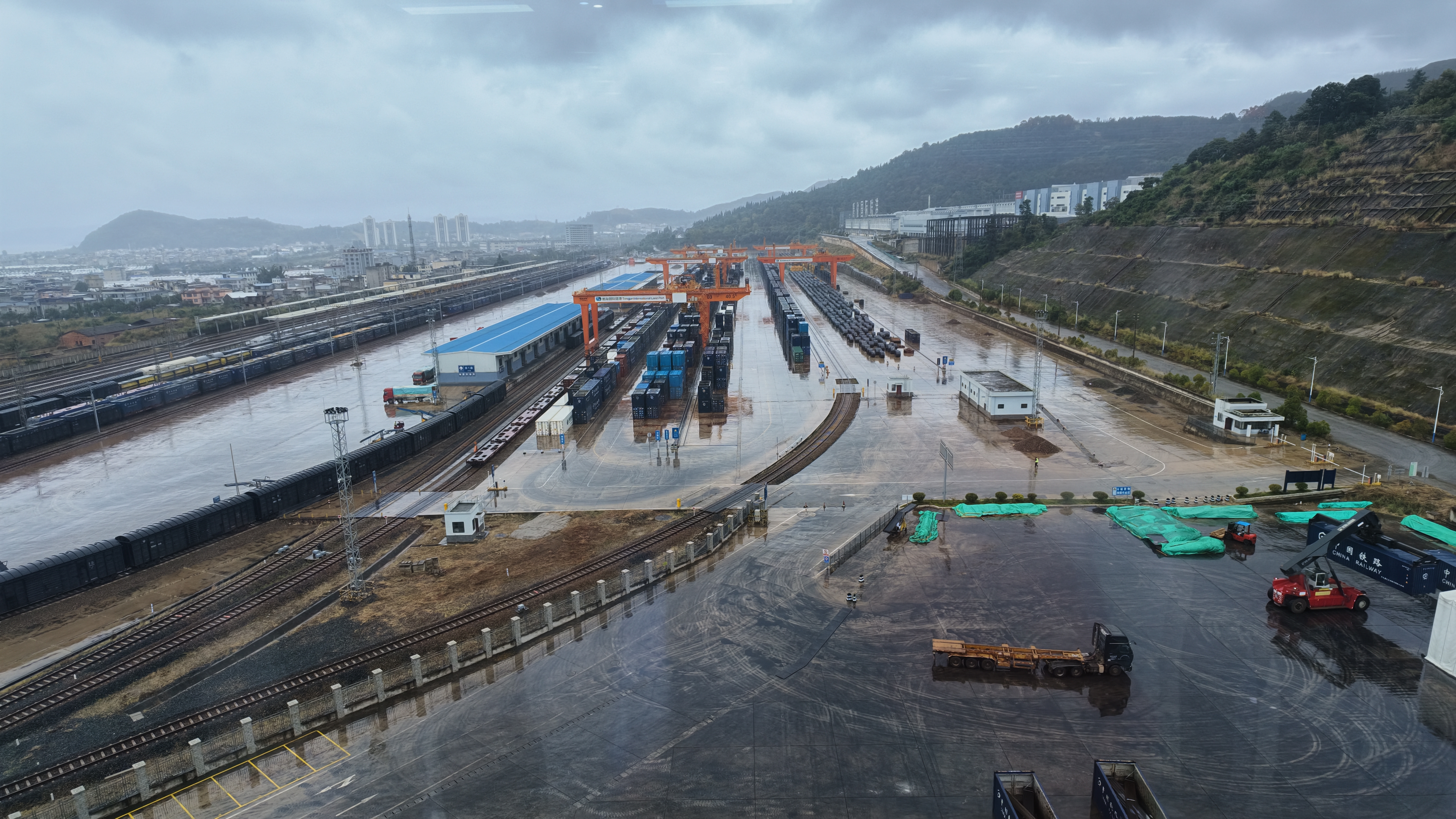
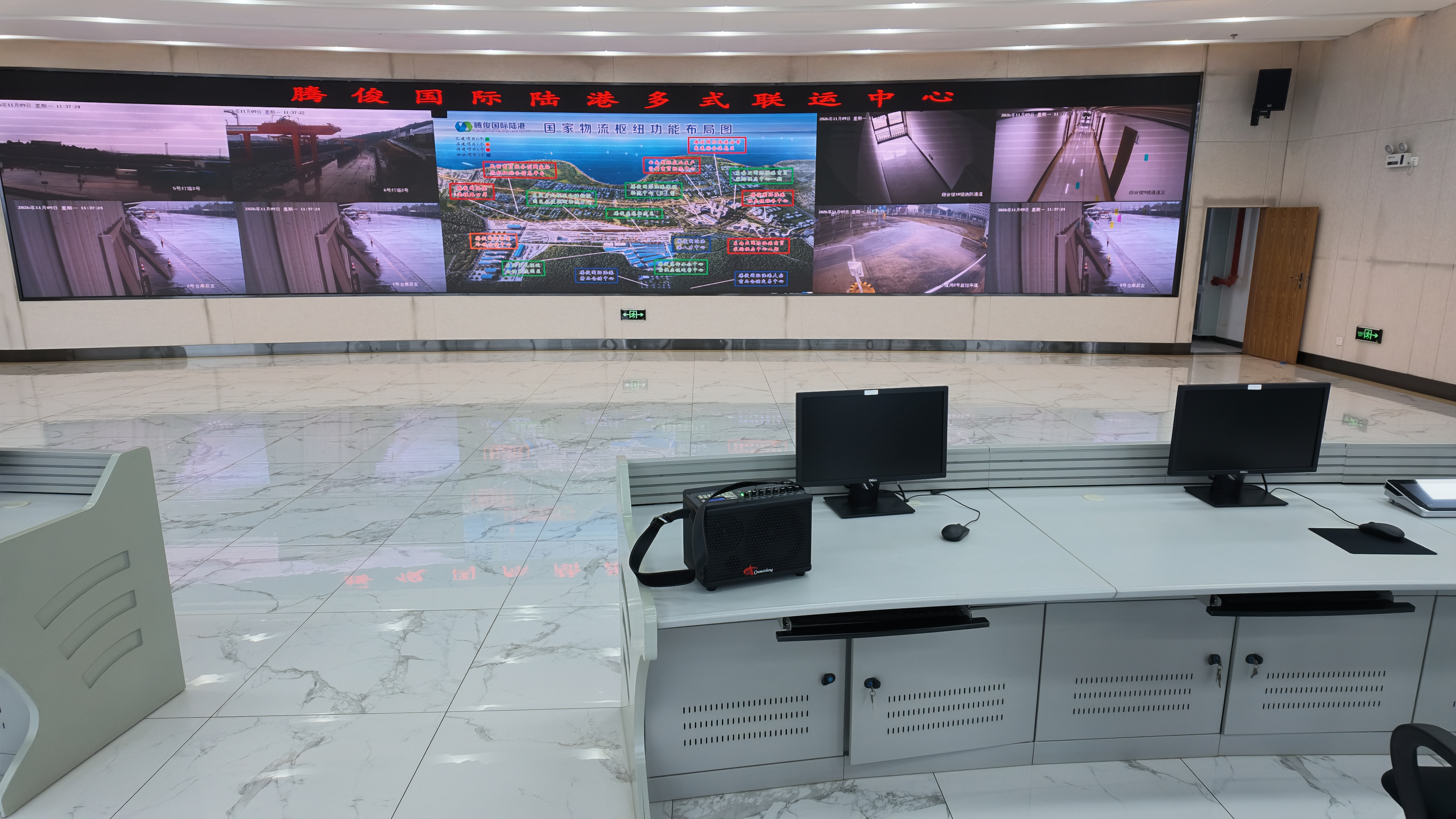
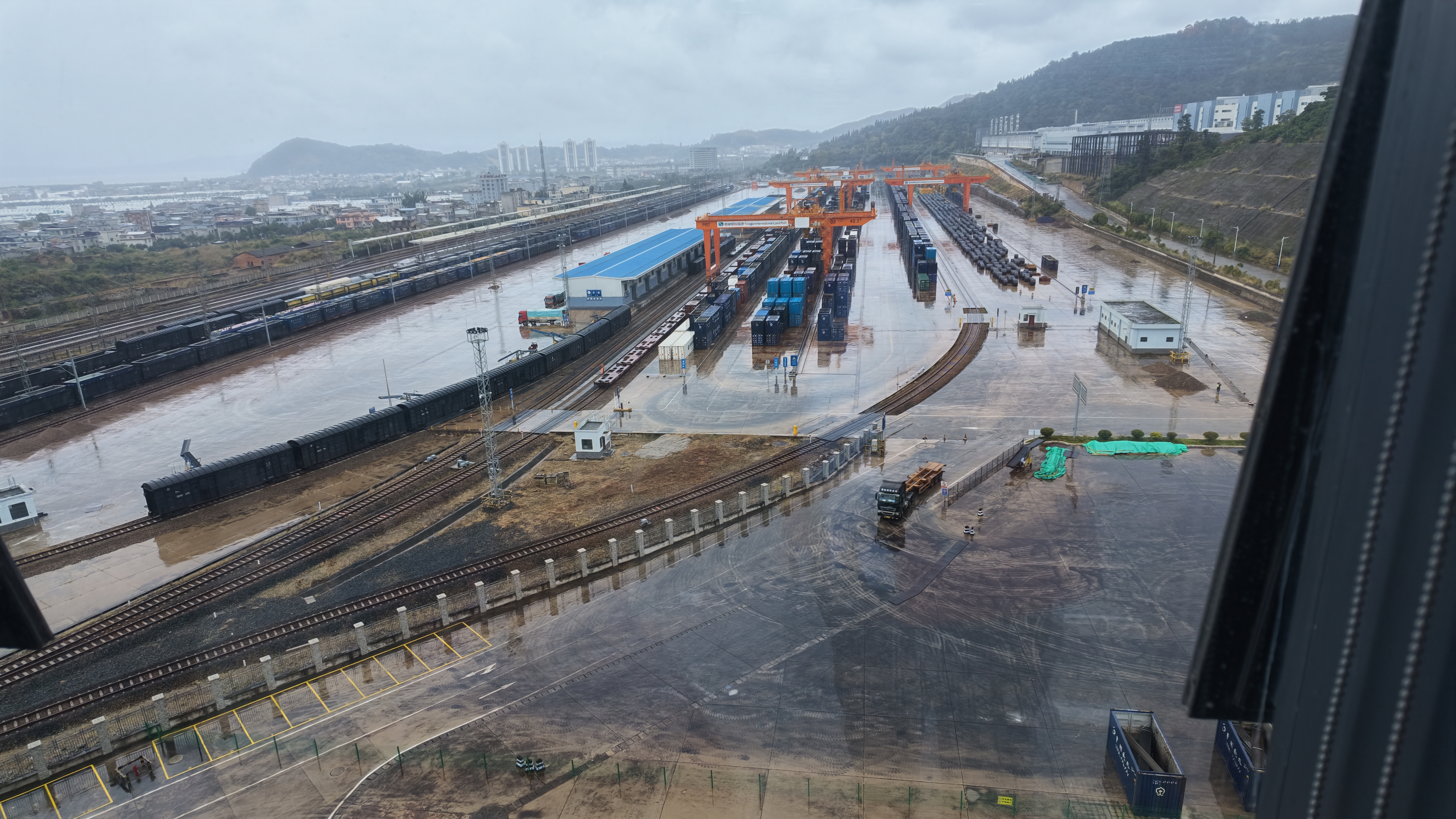
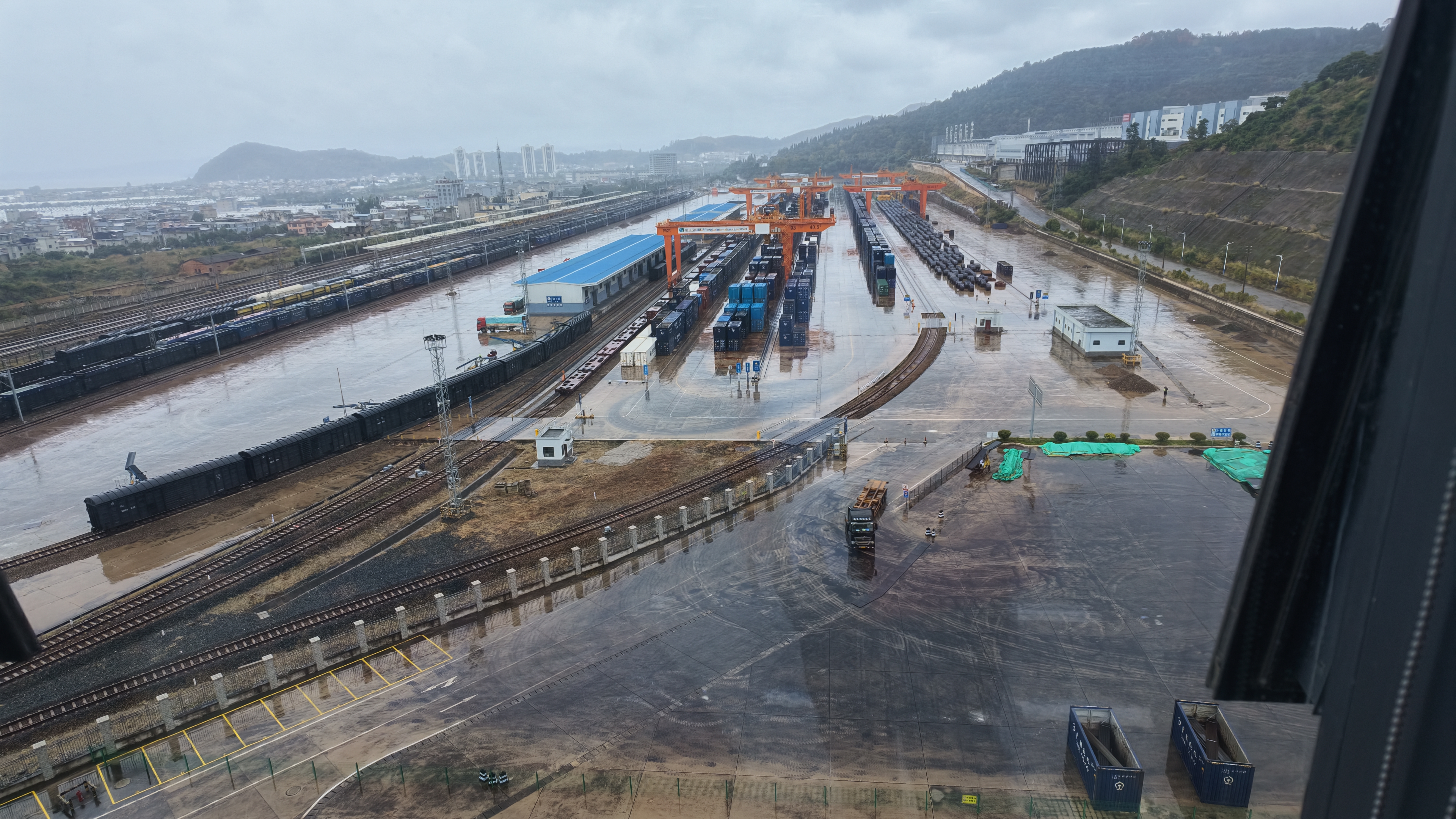
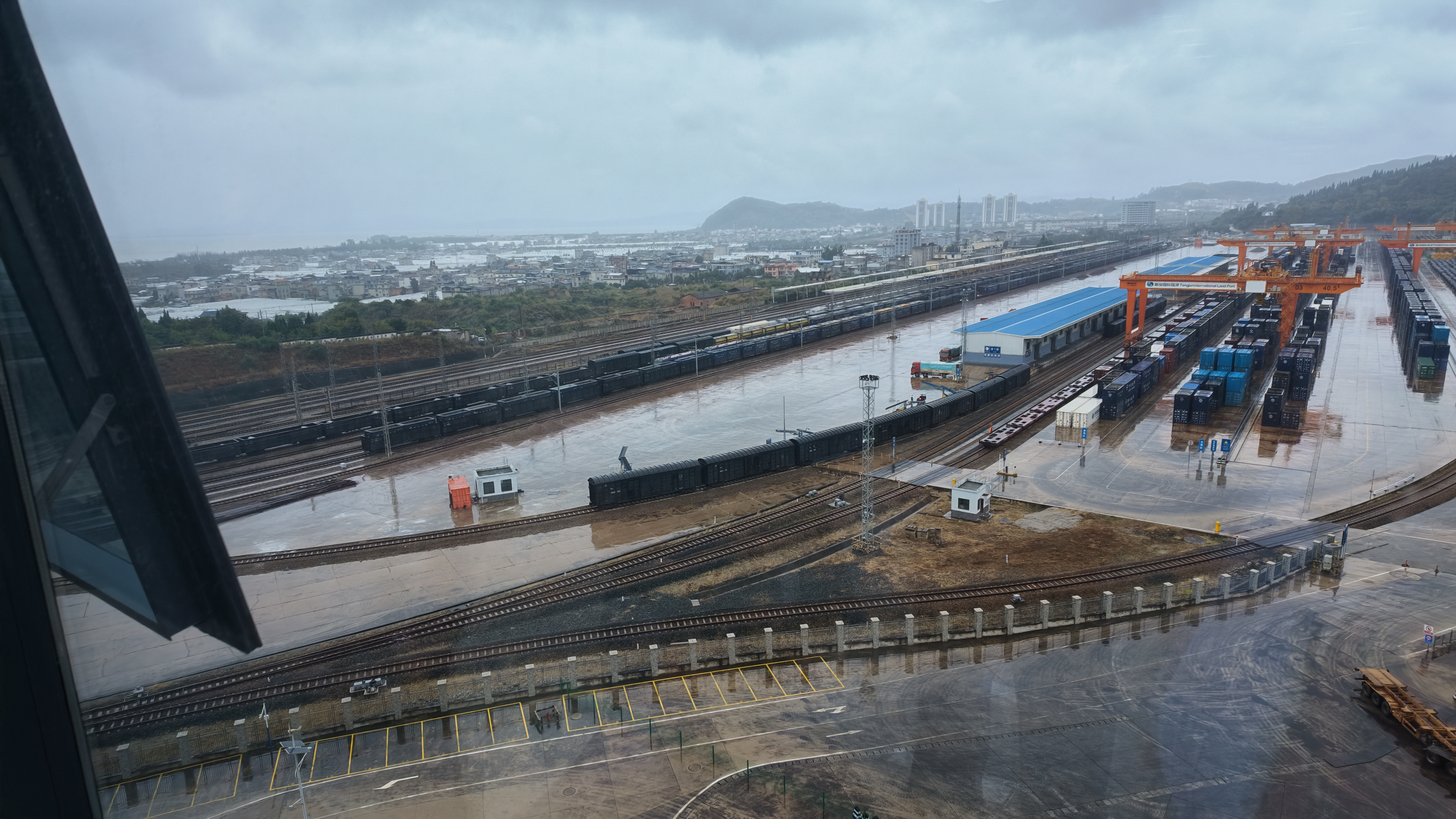
Yunnan, China (SONNA): It was raining in Jinning on the morning of 9 November when our bus pulled into the Tengjun International Land Port, about an hour south of central Kunming. From the windows of the multimodal transport centre we looked down on a yard built to hold some 5,000 containers: orange gantry cranes, reach stackers working the stacks, rail sidings running between them, and almost no one on the ground. Our hosts said more than 90 per cent of the yard’s operations are now handled by smart equipment. Everything about the place said seaport. The only thing missing was the sea, which lies hundreds of kilometres away beyond the mountains of south-west China.
Our delegation of foreign journalists was in Yunnan for the 2026 Media Cooperation Forum on Belt and Road. A few days earlier, in Fuzhou, an official from Chongqing had described his own inland city as “a good port without a coastline”. In Jinning we saw what that phrase looks like in steel and concrete.
The location carries an echo that no Somali visitor could miss. Jinning is the old Kunyang, where Zheng He was born into a Muslim family around 1371. Between 1405 and 1433 he commanded seven voyages across the Indian Ocean, and on the fifth and sixth his fleet reached Mogadishu and Brava. A stone inscription he set up in 1431 at Changle, today a district of Fuzhou where our forum opened, records that Mogadishu presented zebras and lions to the Ming court. At the land port, a board prepared by the Yunnan Provincial Department of Transport and the Yunnan Zheng He Research Society tells how, on 4 July 2025, the province launched a “Zheng He” sea-road-rail service to mark the 620th anniversary of his voyages. Its first run left Jinning by rail for Vientiane and continued by three routes: by road and sea to Singapore, by road and sea through Yangon to Chittagong, and by rail into central Thailand. The admiral needed an ocean to reach the world. His hometown has learned to bring the ocean inland.
A seaport, minus the sea
A dry port is an inland terminal tied to seaports by rail or road, where cargo is inspected, cleared through customs and consolidated as though it were already on the quayside. Tengjun is one of the Chinese facilities listed under the UN Economic and Social Commission for Asia and the Pacific’s Intergovernmental Agreement on Dry Ports, the treaty opened for signature in Bangkok in 2013 that entered into force on 23 April 2016 after China became the eighth state to approve it. The port carries its own international port code, CNKML, which in practical terms means a shipment can begin or end its international journey here, in the mountains, as if Jinning were a harbour.
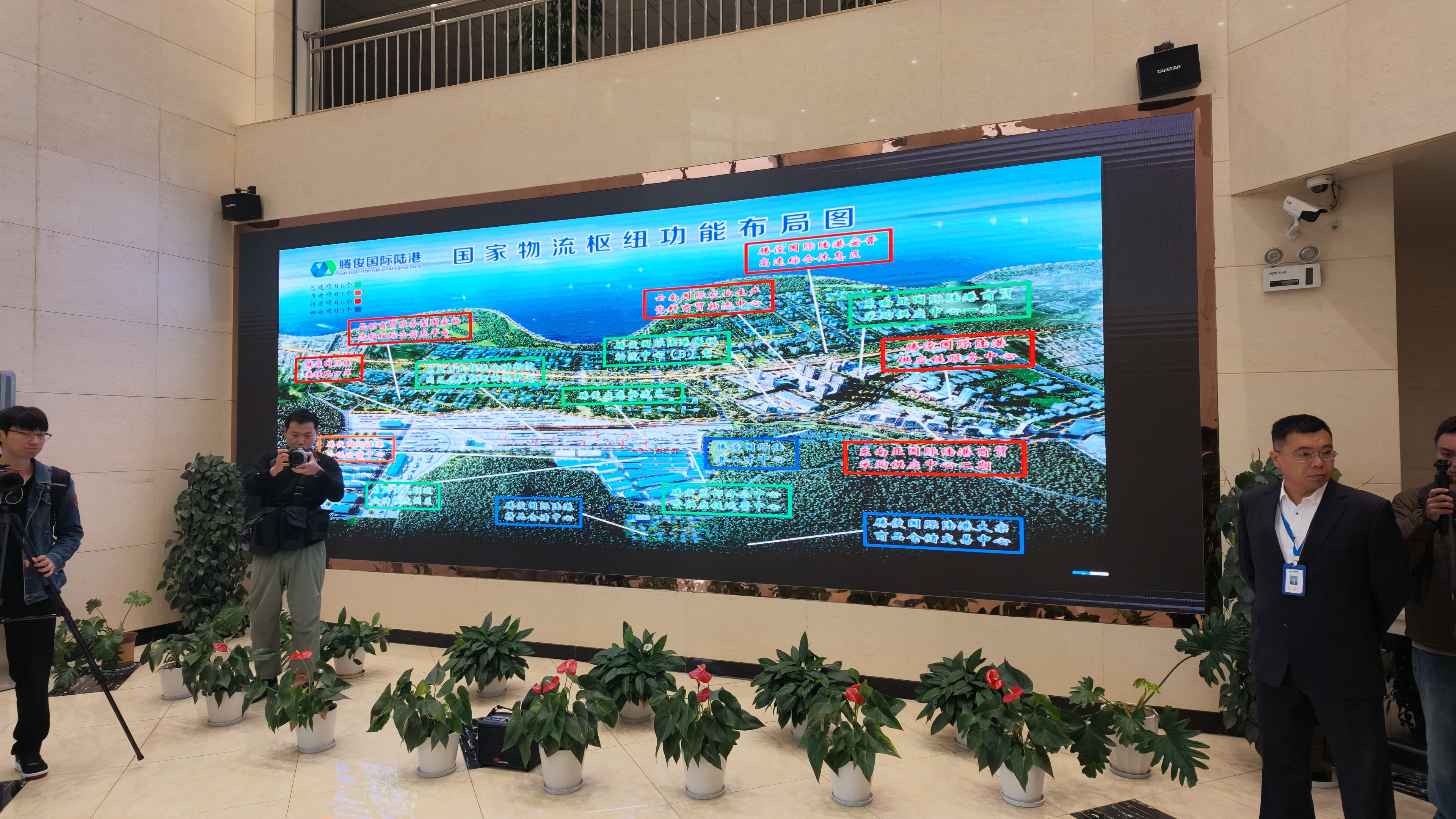
The operator’s brochure describes a site of about 3,669 mu, roughly 2.4 square kilometres, with a planned total investment of around 18 billion yuan. Its road-rail freight centre has three dedicated railway lines and a stated annual capacity of 16 million tonnes, which the company aims to raise to 36 million. Its cold store, which the brochure calls the largest in Yunnan, holds about 200,000 tonnes across four temperature zones, from deep-frozen meat to fresh flowers. These are the company’s figures and should be read as such, but the yard we walked through gave them weight.
In one warehouse we found 50-kilogramme sacks of potash fertiliser, stencilled with their origin in Khammouane Province, Laos. They had come up the railway into the port’s bonded centre, where imported goods can be stored with duties deferred and then processed, sold in China or sent on abroad. Laotian minerals arrive by train, add value in a Chinese bonded zone and leave as finished trade. It was the clearest lesson of the day, and it was stacked on pallets.
Built in the right order
What struck me most was the sequence. According to the company’s own record, the logistics park took the Tengjun name in 2011 and gained its UN dry port listing in 2013. Its bonded logistics centre, approved jointly by customs, finance, tax and foreign exchange authorities, opened on 31 May 2018, and its road-rail multimodal centre followed in August that year. In 2020 it was approved as a national logistics hub. Only then did the big volumes arrive.
They came with the China-Laos Railway, a 1,035-kilometre line from Kunming to the Lao capital, Vientiane, which opened on 3 December 2021. Tengjun was ready. The very next day, as the land port’s photo boards record, it dispatched the first international cold-chain train on the new line. In May 2022 it signed a dry port agreement with Laos’s Thanaleng Dry Port, so that the cargo now had a partner terminal waiting at the other end. Recognition, rail, customs, bonded storage and cold chain came first, and trade followed.
The results are now measurable along the whole corridor. According to China Railway Kunming Group, the railway had carried more than 90 million tonnes of freight by August this year, including over 21 million tonnes across the border, and its cargo connections reach 19 countries and regions. Chinese media report that freight costs from Kunming to Thailand via Laos have fallen by 30 to 50 per cent since the line opened. During this year’s harvest season, Thai durians loaded into refrigerated containers at the orchard reached Kunming in under three days. At Tengjun itself, our guide said international volumes have grown several-fold since the railway opened.
The automation raised a fair question from one of our colleagues: what happens to the workers? The answer was candid. The port has only about 200 permanent staff, with front-line work contracted out, and while machines have replaced some jobs, new business lines have kept overall hiring stable, with demand for loading crews expected to rise as volumes grow.
A coastal country with an inland question
Somalia’s position looks like the opposite of Yunnan’s. We have the longest coastline on the African mainland and no shortage of natural harbours. Yet standing in that rain-soaked yard I kept thinking of Mogadishu, because our task is closer to Yunnan’s than it first appears. A port is only as useful as the distance its cargo can travel once it is ashore.
The Port of Mogadishu has achieved a great deal. Figures presented by the port show container traffic rising from 94,404 TEUs in 2016 to 188,152 in 2024, close to doubling in eight years. A new container terminal opened in August 2025 and lifted annual capacity from 150,000 to 250,000 TEUs, and a year ago today, on 14 November 2025, the port moved to round-the-clock operations. Its Director General, Ambassador Mohamed Ali Nur (Americo), has cited the World Bank’s Container Port Performance Index in describing Mogadishu as the most efficient port in East Africa.
The port’s own presentation is candid about the limits. The harbour sits in the heart of the city with no room to expand, a shallow draft and a weak breakwater, and on current growth it is forecast to reach saturation by 2028. The Mogadishu Port Authority’s answer is a new greenfield port about 35 kilometres outside the capital, planned with a special economic zone, logistics hubs and space for light industry. According to the Director General, its feasibility study is complete and the project has entered the tendering stage.
Events beyond our shores add urgency. Disruption around the Bab al-Mandab and the Strait of Hormuz has pushed Somali importers, who have traditionally sourced Asian goods through Gulf hubs, to look for more direct routes, and in September the port handled its first direct shipment of sugar from Sri Lanka. Every change of route eventually reaches the consumer in the price of food, and a country that imports much of what it eats gains from every hour its cargo does not spend waiting.
Where the next gains will be made
Jinning suggests that Somalia’s next gains will be made not at the quay but behind it. A seaport congests when every container must be inspected, cleared, stored and collected in the same crowded space. A dry port moves part of that work to where goods are produced or consumed, and links it to the sea by a dependable corridor. Kenya, our partner in the East African Community, applied the same logic when it shifted cargo clearance from Mombasa to inland depots at Nairobi and Naivasha. In Somalia the natural candidates are the farming and trading towns of the interior, from the Shabelle valley to the livestock markets further inland, where bananas, limes, sesame and animals begin their journey to export markets. The potash sacks from Khammouane point to something more: a bonded inland zone where Somali produce is graded, packed and chilled before it ever reaches the coast.
Somalia will start with roads rather than railways, and that is no obstacle. Tengjun is itself a road-rail hub, and the “Zheng He” service relies on trucks and ships as much as on trains. The National Transformation Plan 2025–2029 already points the way. Its chapter on infrastructure and logistics includes a project charter for some 2,075 kilometres of new asphalt roads linking port cities and border towns for trade and commodity export, and the new Mogadishu port is being designed with logistics hubs from the outset. What Yunnan adds is the order of work: settle the legal status and standards of inland terminals, build the corridor, place customs and bonded services at the inland end, then add cold storage for perishables. Each step makes the next one pay.
None of this requires Somalia to match China’s scale. A first Somali inland terminal could be modest: a secured yard with customs officers, a weighbridge, cold rooms and a reliable truck schedule to the coast. The principle matters more than the size. Once cargo can be cleared where it starts its journey, the port on the coast is freed to do what only a port can do.
From what China builds for us to what China builds with us
Before we left the land port, I asked our hosts whether the “Zheng He” service and the network behind it, which already reaches the Indian Ocean through Myanmar, could one day be extended to East Africa and Somalia. They were honest that their only overseas cooperation so far is in Myanmar and that the twelve overseas bases in their plan all lie in South and Southeast Asia. But they called East Africa worth looking at, and later, in the multimodal centre, our guide went further, telling us that in future the company intends to extend its business to the countries and regions along the African coast.
Somalia should meet that interest as a partner that has done its own planning, not as a site waiting to be chosen. We bring a coastline facing the Indian Ocean routes Zheng He once sailed, a port that has doubled its traffic in eight years, a transformation plan with logistics at its core, and membership of the East African Community, whose markets lie inland behind our shores. China brings something rarer than finance: proven experience in making inland places work like ports, from bonded zones and single-document freight to cold chains that keep fruit fresh across borders.
The partnership that would serve both countries best is one in which Somali customs officers, logistics managers and engineers learn these systems alongside Chinese colleagues, and in which an inland terminal in Somalia is designed, run and expanded by Somalis. That is the difference between a facility built for us and a capability built with us.
Six hundred years ago, Mogadishu sent zebras and lions to the Ming court aboard the ships of a man from Jinning. Today Jinning sends trains towards the sea under his name. The next chapter of that old connection can be written on Somali soil: containers cleared in the interior, moving on Somali roads to a modern port on our coast, and onward to China and the world.
Abdiqani Abdullahi Ahmed is Editor of the SONNA English Desk and Senior Advisor, Communication and Analysis at Somalia’s Ministry of Information, Culture and Tourism. He writes in a personal capacity. He visited Fujian and Yunnan for the 2026 Media Cooperation Forum on Belt and Road.